
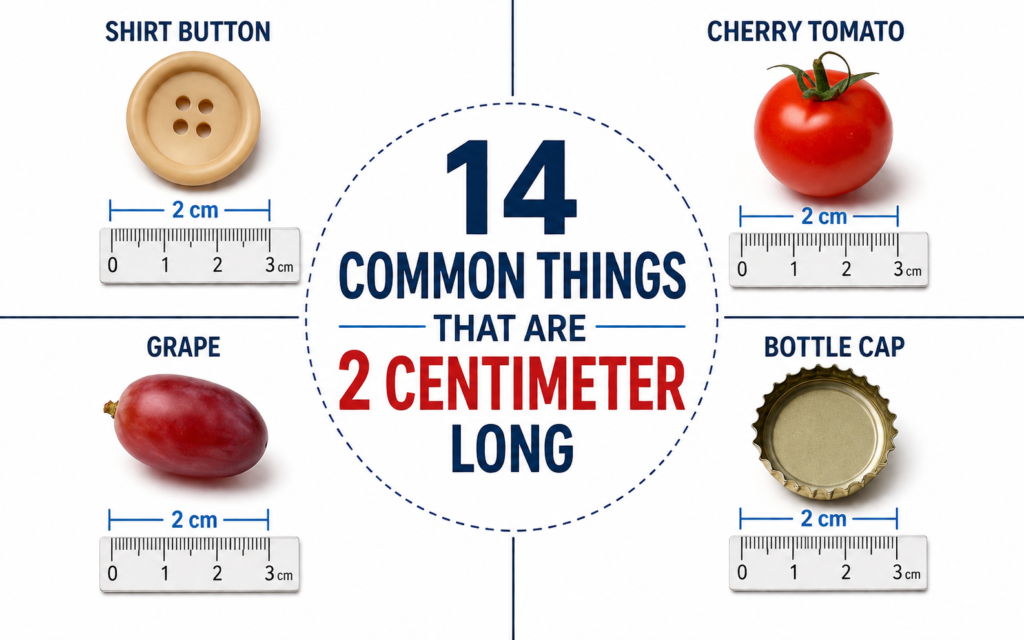
If you’ve ever wondered how long is 2 centimeter, you’re not alone. While 2 centimeters may sound like a very small measurement, it is a common size that appears in everyday life. Many household objects, office supplies, foods, and personal accessories measure around 2 centimeters in length, width, or diameter. Understanding this measurement becomes much easier when you compare it with familiar items you see every day.
A length of 2 centimeters equals 20 millimeters or approximately 0.79 inches. Although it is shorter than an inch, it is large enough to be useful in crafts, school projects, jewelry making, sewing, and many other activities. Instead of trying to imagine a ruler every time, comparing 2 centimeters to real-world objects is a practical way to estimate measurements.
In this guide, you’ll learn exactly how long 2 centimeters is by exploring 14 common examples that closely match this size. Each example will help you build a better understanding of this small but frequently used measurement.
How Long Is 2 Centimeter?
The easiest way to understand how long is 2 centimeter is to compare it with everyday objects. Two centimeters is equal to 20 millimeters or about 0.79 inches, making it just a little shorter than one inch. On most rulers, it spans the distance between the 0 and 2 centimeter marks. Although this measurement seems tiny, it is surprisingly common in daily life.
Many small objects around your home, school, or workplace measure close to 2 centimeters. Buttons, coins, small candies, craft materials, and electronic components often fall within this range. Designers, engineers, teachers, and healthcare professionals regularly use centimeter measurements because they provide more precision than inches for smaller items.
Learning to estimate 2 centimeters without a ruler can also improve your measuring skills. Once you become familiar with objects that are about this size, you’ll find it easier to judge dimensions while shopping, working on DIY projects, creating artwork, or completing school assignments. The examples below provide practical comparisons that make this measurement easy to visualize and remember.
Quick Comparison of 2 Centimeter Examples
| Item | Approximate Size |
|---|---|
| Peanut in shell width | About 2 cm |
| Small shirt button | Around 2 cm diameter |
| Cherry tomato | About 2 cm across |
| Grape | Nearly 2 cm long |
| Dice | Around 2 cm wide |
| Bottle cap | About 2 cm diameter |
| Postage stamp width | Around 2 cm |
| Garlic clove | About 2 cm long |
| Large marble | Around 2 cm diameter |
| Thumb width (many adults) | Close to 2 cm |
| Binder ring diameter | Around 2 cm |
| Lip balm cap | About 2 cm wide |
| Small toy wheel | Around 2 cm diameter |
| Eraser cube | About 2 cm on each side |
1. A Peanut in Its Shell (Width)
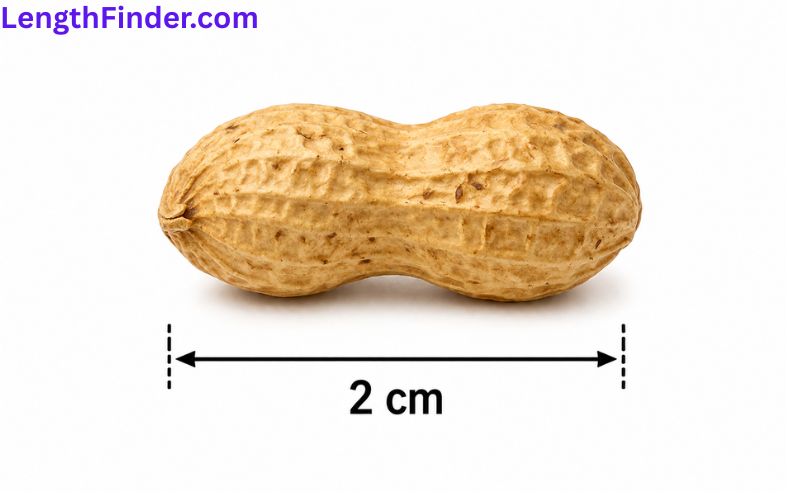
A peanut in its shell is an excellent visual reference for understanding 2 centimeters. While peanuts vary in length, the widest part of many peanuts measures close to 2 centimeters. This makes them a useful natural comparison when estimating small measurements without a ruler. Because peanuts are found in grocery stores worldwide, many people can easily picture their size.
The rounded shape also helps you understand that 2 centimeters is not a large distance. It fits comfortably between two fingers and occupies only a small amount of space in your hand. Whether you’re preparing snacks or studying food sizes, a peanut shell offers a simple and memorable way to visualize this measurement.
2. A Small Shirt Button
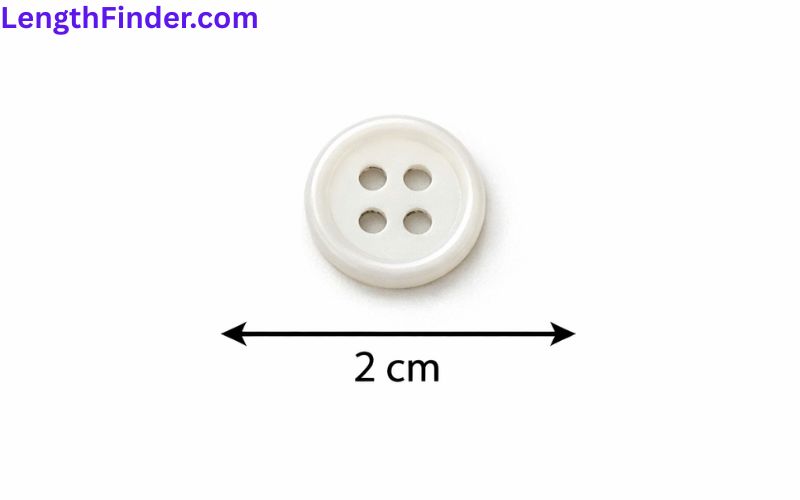
Many dress shirts and children’s clothing use buttons that measure approximately 2 centimeters in diameter. These buttons are large enough to handle easily while remaining compact enough to fit neatly on clothing. Because buttons are everyday objects, they serve as one of the easiest references for estimating small dimensions.
Looking at a shirt button helps demonstrate that 2 centimeters is about the size of a small circle that fits comfortably on your fingertip. Buttons are manufactured in standard sizes, making them reliable measuring references for sewing, fashion design, and crafting projects. If you’re ever unsure about the size of 2 centimeters, checking a medium-sized shirt button provides a quick visual guide.
3. A Cherry Tomato
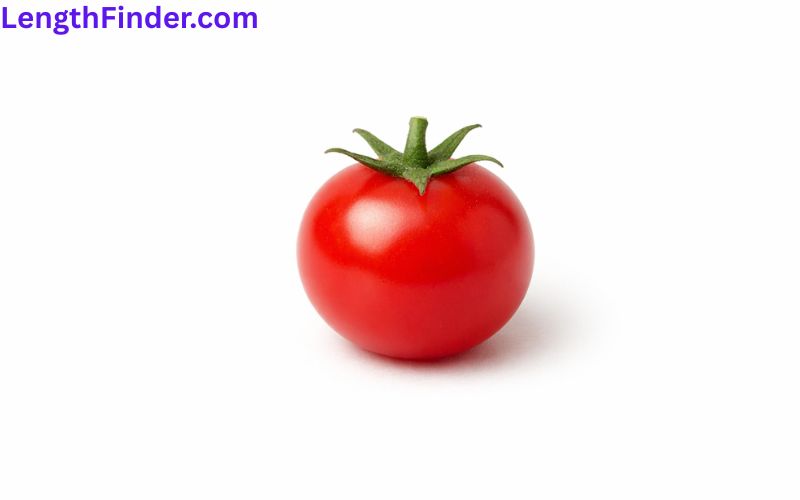
A cherry tomato often measures close to 2 centimeters across, although different varieties may be slightly larger or smaller. These small tomatoes are commonly used in salads, snacks, and appetizers, making them a familiar object for many households.
Their nearly round shape gives an excellent idea of how much space 2 centimeters occupies. When placed beside larger vegetables, cherry tomatoes clearly show just how compact this measurement really is. Gardeners, cooks, and students can all use cherry tomatoes as convenient examples when learning metric measurements or estimating dimensions without using measuring tools.
4. A Large Grape
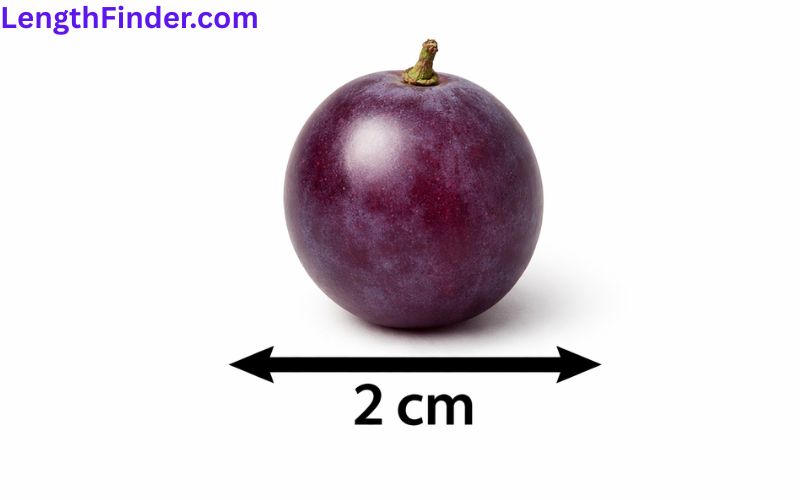
Many seedless grapes are approximately 2 centimeters long. Depending on the variety, grapes may be slightly shorter or longer, but they remain one of the best fruit examples for this measurement. Their oval shape provides another useful perspective because it demonstrates 2 centimeters in length rather than diameter.
Since grapes are frequently packed into lunchboxes and served as snacks, they are familiar to people of all ages. Observing one carefully makes it easier to picture 2 centimeters whenever you encounter similar-sized objects. This practical comparison is especially useful for children learning about the metric system.
5. A Standard Dice
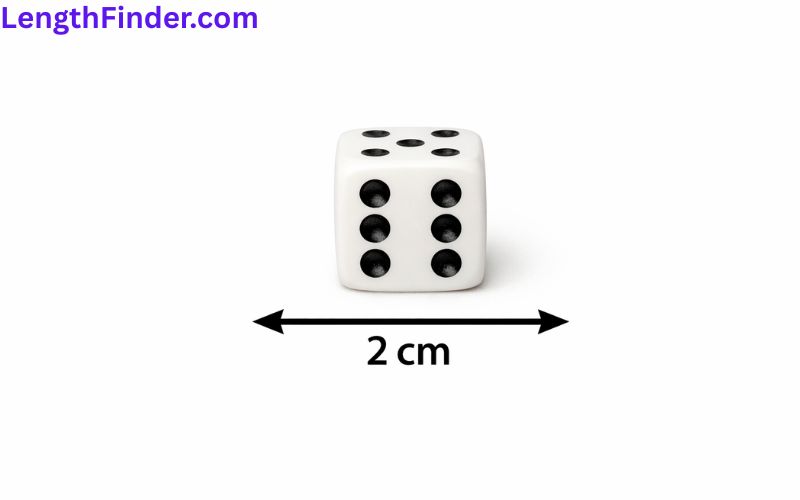
Many board game dice measure about 2 centimeters on each side. While some dice are smaller, larger tabletop game dice commonly fall very close to this measurement. Their perfect cube shape makes them especially useful for visualizing not only length but also width and height.
Because dice have equal dimensions on every side, they provide a complete understanding of what a 2-centimeter cube looks like. Teachers often use dice during math lessons, making them a practical educational reference. Whether you’re playing games or learning geometry, a standard die offers an accurate mental picture of this size.
6. A Plastic Bottle Cap
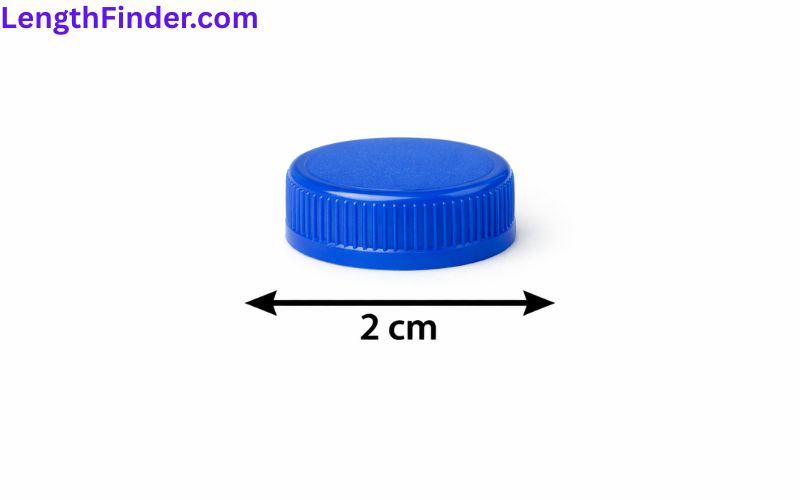
The cap found on many water or soft drink bottles measures close to 2 centimeters in diameter. Although cap sizes differ depending on the bottle, many standard beverage caps fit this measurement surprisingly well.
Bottle caps are handled daily, making them one of the easiest comparisons available. Their circular design also helps explain how small 2 centimeters really is. Whether opening a drink or recycling containers, you can use a bottle cap as a quick visual estimate whenever you need to picture this length.
7. The Width of a Small Postage Stamp
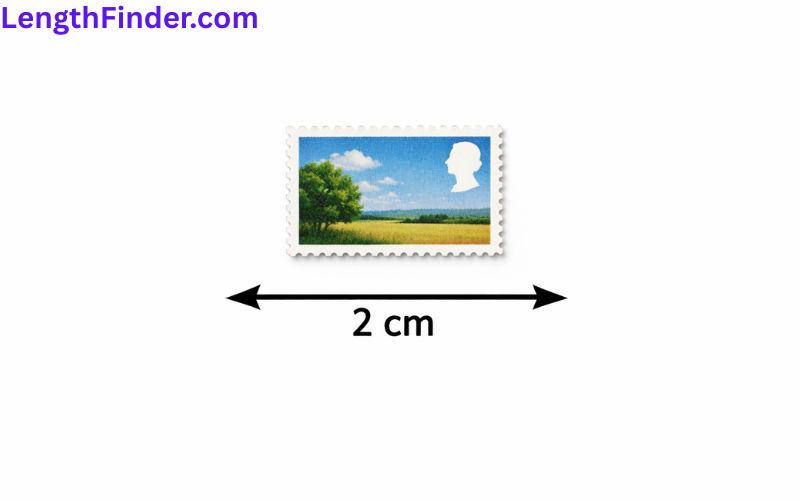
Many small postage stamps have a width that comes very close to 2 centimeters. Although modern stamp sizes vary by country, numerous classic designs fall within this range.
Since stamps are thin and rectangular, they demonstrate how 2 centimeters appears in flat objects rather than rounded ones. Collectors, students, and office workers often handle stamps, making them another useful reference. Even in today’s digital world, stamps remain a recognizable example for understanding small metric measurements.
8. A Garlic Clove
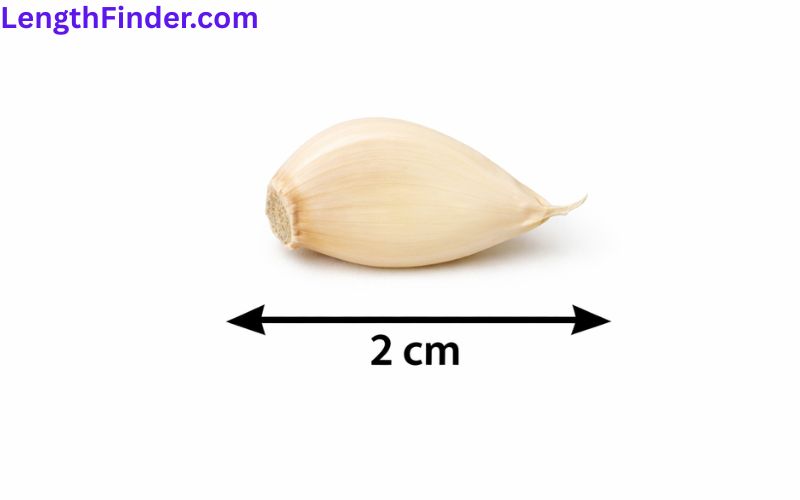
A medium garlic clove typically measures around 2 centimeters in length. Individual cloves naturally vary in size, but many closely match this measurement. Because garlic is widely used in cooking, it serves as a familiar kitchen reference.
Its tapered shape helps people understand that 2 centimeters can describe irregular natural objects as well as perfectly manufactured items. Whether preparing meals or shopping for ingredients, noticing the size of a garlic clove provides another practical way to remember this measurement.
9. A Large Marble
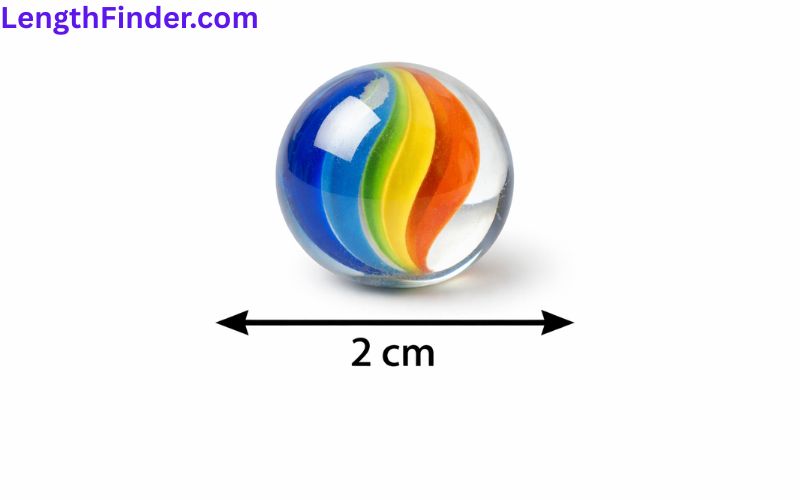
Many decorative glass marbles have a diameter of approximately 2 centimeters. Their perfectly round shape makes them excellent measuring references because the diameter remains consistent regardless of how they are viewed.
Marbles have been popular toys for generations and continue to be used in crafts and decorative displays. Holding one in your hand quickly demonstrates how compact 2 centimeters really is. Their smooth surface and consistent manufacturing also make them reliable examples for educational purposes.
10. The Width of an Adult Thumb
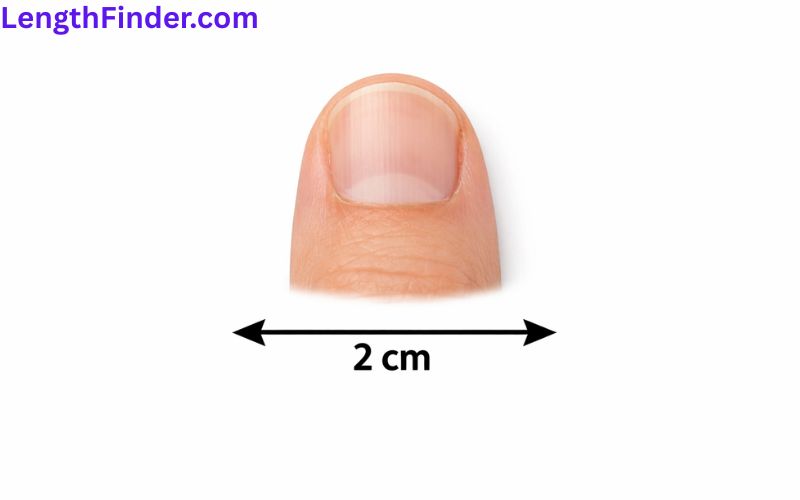
For many adults, the width of the thumb near the tip measures close to 2 centimeters. Individual hand sizes naturally vary, but this remains one of the most convenient body-based measuring references available.
Unlike household objects that may not always be nearby, your thumb is always available when you need a rough estimate. Builders, artists, hikers, and outdoor enthusiasts often use body measurements as quick guides when rulers aren’t available. While not perfectly precise, the thumb provides a helpful approximation of 2 centimeters.
11. A Small Binder Ring
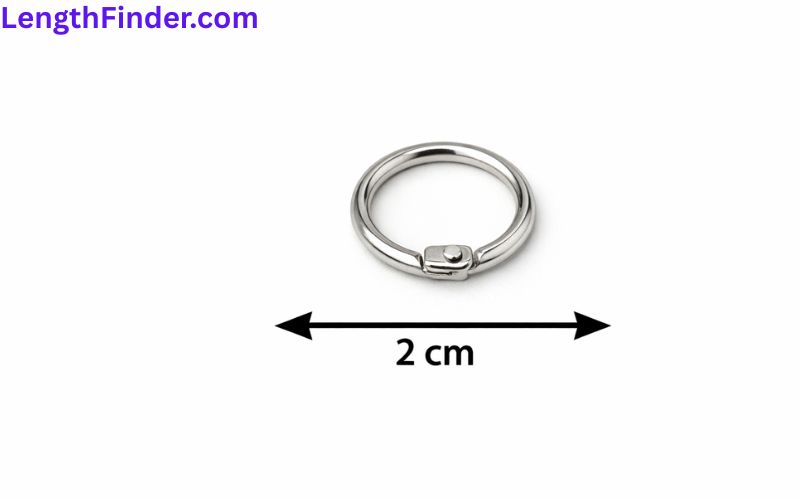
Small loose-leaf binder rings often have an inside diameter of about 2 centimeters. These rings are commonly used to organize flashcards, recipes, notes, and craft projects.
Their circular shape helps reinforce the appearance of a 2-centimeter opening while demonstrating how this measurement functions in office supplies. Teachers, students, and professionals frequently use binder rings, making them another practical comparison that most people can easily recognize.
12. The Cap of a Lip Balm
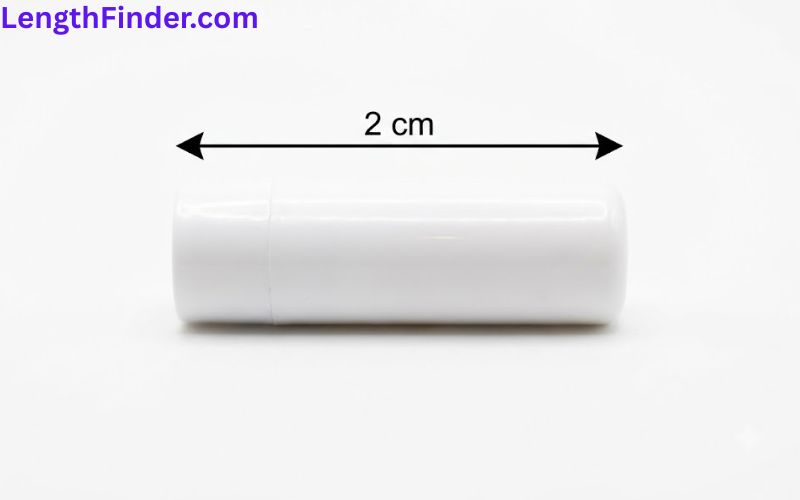
The protective cap on many lip balm tubes measures close to 2 centimeters across. Although different brands have slightly different dimensions, the overall size remains surprisingly consistent.
Because lip balm is a common personal care product carried in pockets and bags, it serves as an everyday reference that people can quickly visualize. The cap’s cylindrical shape also demonstrates how 2 centimeters applies to diameter measurements in cosmetic packaging and personal care products.
13. A Small Toy Wheel
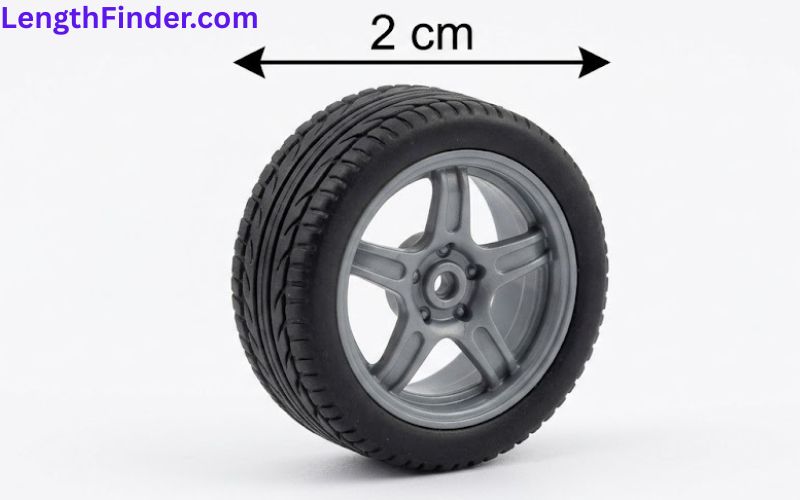
Many miniature toy cars and construction toys include wheels that measure about 2 centimeters in diameter. These wheels are large enough to roll smoothly while remaining appropriately sized for small models.
Toy wheels help children understand measurements by connecting numbers to familiar objects they already recognize. Their circular design also reinforces the concept of diameter, making them useful educational examples for both classrooms and home learning activities.
14. A Small Eraser Cube
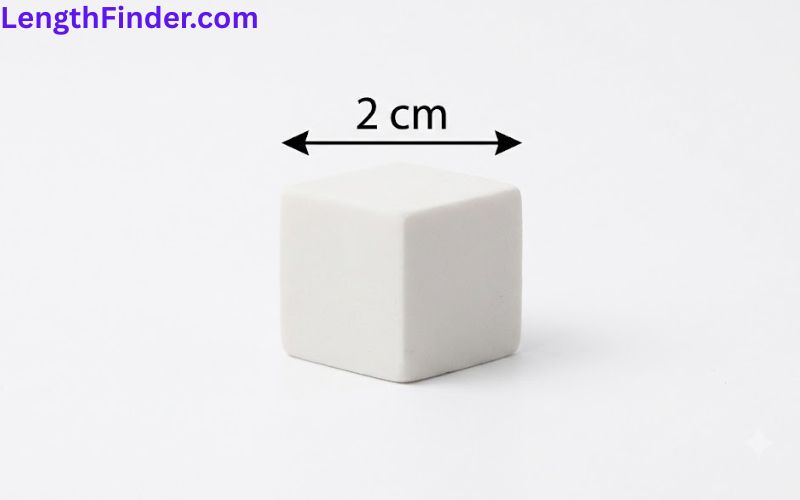
Cube-shaped erasers designed for classrooms and artists are often manufactured with sides measuring approximately 2 centimeters. Their uniform dimensions make them excellent examples because every edge represents the same length.
Students use erasers almost daily, making this one of the most relatable comparisons on the list. Since every side measures equally, the cube clearly demonstrates how 2 centimeters looks from multiple angles. This consistency makes it especially useful when teaching geometry, measurement, and spatial awareness.
Related Post:14 Common Things That Are 1 Centimeter?
Frequently Asked Questions
Is 2 centimeters the same as 20 millimeters?
Yes. Two centimeters equals exactly 20 millimeters. Since one centimeter contains 10 millimeters, multiplying by two gives you a total of 20 millimeters. This conversion is commonly used in engineering, healthcare, manufacturing, and education.
How many inches is 2 centimeters?
Two centimeters equals approximately 0.79 inches. This means it is slightly shorter than one inch. If you’re more familiar with the imperial system, remembering that 2 centimeters is just under an inch makes estimating much easier.
Can I estimate 2 centimeters without a ruler?
Yes. You can estimate 2 centimeters by comparing it with common objects such as a shirt button, cherry tomato, bottle cap, marble, or the width of many adult thumbs. These everyday references provide a quick and practical visual estimate.
Why is it useful to know what 2 centimeters looks like?
Knowing what 2 centimeters looks like helps with crafts, DIY projects, sewing, cooking, school assignments, shopping, and everyday estimating. It allows you to judge small measurements accurately even when you don’t have a ruler available.
Is 2 centimeters considered a small measurement?
Yes. Two centimeters is considered a small measurement. It is less than one inch but still large enough to describe many everyday objects accurately. This makes it one of the most commonly used small measurements in the metric system.
Conclusion
Understanding how long is 2 centimeter becomes much easier when you compare it with everyday objects instead of relying only on numbers. From a cherry tomato and shirt button to a marble, garlic clove, and bottle cap, countless familiar items measure close to this size. These comparisons help build a practical understanding of metric measurements that can be applied in daily life.
Whether you’re working on a school project, crafting, cooking, shopping, or simply satisfying your curiosity, recognizing objects that are about 2 centimeters long makes estimating measurements much more accurate. The next time someone asks how long 2 centimeters is, you’ll have several easy examples ready to explain it clearly.